Thursday, October 1, 2026


®
The World's Local News Source®
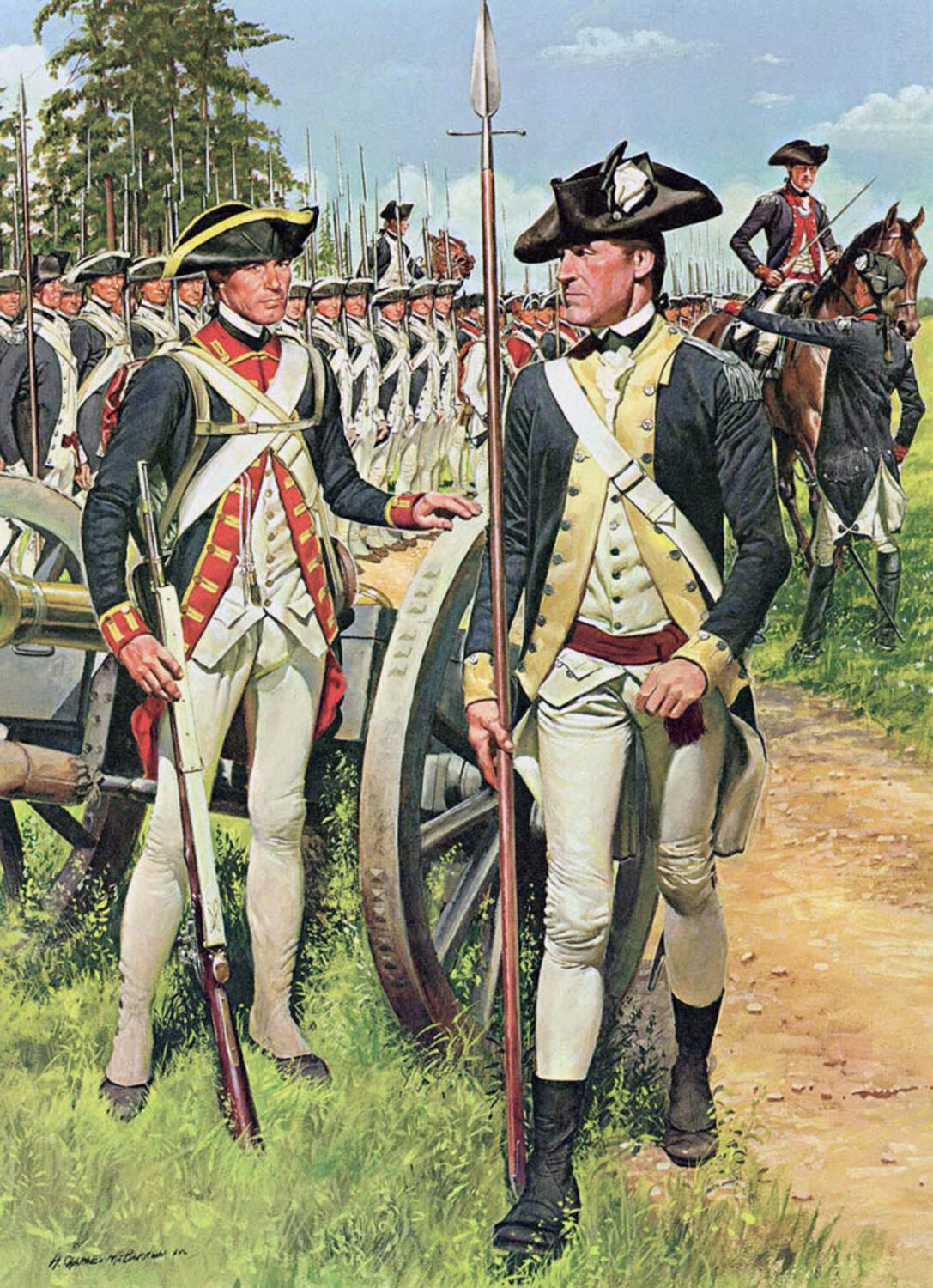
The United Colonies first engaged the British Army at Lexington and Concord on April 19, 1775, with a collection of local militias. These units formed a regional New England force that evolved into the “Army of Observation,” which laid siege to Boston later that year. On June 14, 1775, the Second Continental Congress created a national force—the Continental Army—and elected Virginia Congressman Col. George Washington as its commander. Washington was an experienced soldier, well-versed in both combat and military organization.
On June 13, 1775, the Second Congress also authorized the enlistment of ten companies of “expert riflemen” to be recruited from the backcountry of Pennsylvania, Virginia, and Maryland—six from Pennsylvania, two from Maryland, and two from Virginia. The Pennsylvania contingent was commanded by William Thompson, an Irish-born immigrant to Carlisle, Pennsylvania, who had served during the French and Indian War. Thompson became the first colonel commissioned in the new Continental Army.
Thompson's command was designated the First Pennsylvania Continental Regiment. Its first company was raised from Adams and Cumberland Counties, Pennsylvania, under Capt. Michael Doudle (or Doudel). The men assembled at Gettys Tavern in Gettysburg before joining the other companies. On June 30, 1775, they set out for Boston, passing through York on July 1. They arrived on July 27, following their distinctive green flag marked with a crimson square at its center. Inside the square was the image of a tiger ensnared in a net, battling a hunter clad in white and wielding a spear. The flag bore the Latin motto “Domari Nolo”— “I refuse to be subjugated.”
 Gettys Tavern Site, Racehorse Alley Parking Garage, Gettysburg
Public Domain
Gettys Tavern Site, Racehorse Alley Parking Garage, Gettysburg
Public Domain
From the outset, the rifle companies were never intended to replace regular line infantry. Instead, they were organized as light infantry, tasked with scouting, patrolling, skirmishing, and reconnaissance. Army surgeon James Thatcher described them as “remarkably stout and hardy men … dressed in white frocks, or rifle shirts, and round hats.”


